
Site Survey, Consultation and Choosing the Right Air Conditioner in Varna
Installing an air conditioner in Varna takes more than technical skill and precision – it also takes a solid understanding of the local climate and building conditions. The seaside climate, high humidity, salty air and intense summer sun all call for a specific approach to choosing, positioning and installing cooling systems. Every detail, from sizing the capacity to the final test run, affects how efficiently and reliably the equipment performs over the long term.
Many apartments in Varna face south and have floor-to-ceiling windows and open balconies, which adds even more heat load in summer. That means a standard installation isn’t always enough – every property needs an individual approach. Done right, the installation also means lower power bills, quieter operation and a longer service life for your air conditioner.
In this article, we walk you through the entire air conditioner installation process in Varna – from the initial consultation and site survey, through the technical stages of the installation, to commissioning and a walkthrough for the customer. We explain each step clearly, so you know what to expect and why professional installation is key to comfort in your home or office.
Site Survey, Consultation and Choosing the Right Air Conditioner
Professional air conditioner installation in Varna always starts with a detailed site survey and technical consultation. This is a critical stage: it determines both the right choice of unit and how efficiently it will run in the long term. A poor assessment can lead to higher power consumption, insufficient cooling or heating, and faster wear on the system.
During the survey, the technician analyzes several key factors that affect how the air conditioner will perform.
What Do We Assess During the Site Survey?
- 📐 Room size (m²)
This is the main parameter for determining the required capacity. The usual rule of thumb is about 100 W per square meter, but the real figure can vary depending on other conditions. - 🏢 Ceiling height
Higher ceilings mean a larger volume of air to cool or heat. For rooms with ceilings above 2.60–2.70 m, the calculation is adjusted. - 🪟 Number and size of windows
Large glazed areas and floor-to-ceiling windows let in a lot of solar heat. This increases the heat load, especially in the summer months. - 🧭 Orientation (south, north, east, west)
South- and west-facing rooms heat up much more. In Varna this is especially noticeable because of the strong seaside sun in summer. - 🏗 Construction type (prefab panel, brick, new build)
Different structures retain heat differently. Prefab panel buildings tend to heat up faster, while well-insulated new builds offer better energy efficiency. - 🧱 External thermal insulation
Buildings with good external insulation need less capacity to maintain a comfortable temperature. - ⚡ Electrical wiring
We check whether the electrical system can handle the load and whether a dedicated circuit or additional protection is needed.
What Makes Varna Different
Many apartments in Varna face south and have large sea-facing windows, which significantly increases the heat load during summer. On top of that, humid and salty air can affect the outdoor unit if you don’t choose a model with anti-corrosion protection.
For more information on all types of professional air conditioner installation, visit our dedicated services page.
That’s why an individual site survey is a must – it lets us choose the best air conditioner for the specific conditions of your property, not just its floor area.
Calculating the Required Air Conditioner Capacity
Getting the capacity right is one of the most important steps in installing an air conditioner in Varna. An undersized unit runs nonstop and drives up your electricity bills, while an oversized one switches on and off too often (the so-called „on/off effect“), which shortens its service life.
The Basic Formula
The most commonly used rule-of-thumb formula is:
This is a baseline for a standard living space with a normal ceiling height (2.60 m) and average insulation.
Example Calculation
With strong sun exposure, large windows or no insulation, the capacity needs to be adjusted:
In most cases, this means we would recommend a 12 000 BTUunit instead of a 9,000 BTU one. You can browse all available models in our online air conditioner store.
Other Factors That Affect Capacity
- Above-standard ceiling height
- Number of people using the room
- Appliances that give off heat
- Type of window frames
- Floor level (top floors heat up more)
- Roof insulation
In Varna, south- and west-facing apartments often need more capacity because of the intense summer sun and the glare reflected off the sea. For better energy efficiency, we recommend choosing inverter air conditioners, which run economically and keep the temperature stable.
Most Commonly Installed Capacities in Varna
- 9 000 BTU – suitable for rooms up to 20–25 m²
- 12 000 BTU – for rooms of 25–35 m²
- 18 000 BTU – for rooms of 35–50 m²
A reliable model in this class is the Mitsubishi Electric MSZ-EF25VGKS inverter air conditioner, which delivers high efficiency and quiet operation.
Choosing the right capacity is key to:
- ✔ Optimal energy efficiency
- ✔ Low power consumption
- ✔ Quiet operation
- ✔ Longer compressor life
- ✔ Maximum comfort all year round
Visual Guide to the Calculation


Choosing Where to Install the Indoor and Outdoor Units
Positioning the indoor and outdoor units correctly is critical for the efficiency, durability and quiet operation of your air conditioner. Even the best unit won’t perform well if it’s installed in the wrong place. Professional air conditioner installation in Varna always includes a careful assessment of placement to ensure even airflow and minimal energy losses.
Installing the Indoor Unit
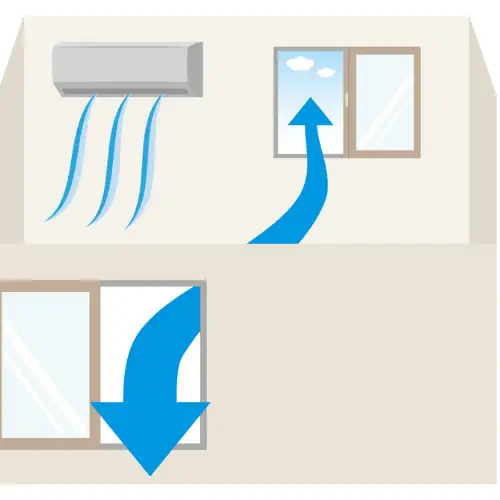
The indoor unit should be positioned so that airflow is distributed evenly throughout the room without causing discomfort.
Key installation rules:
- ✔ Never mount it directly facing a bed or sofa
A cold air stream can cause discomfort, stiff muscles and health problems. - ✔ Never place it above a heater
Heat from other appliances affects the temperature sensors and disrupts the air conditioner’s operation. - ✔ At least 10–15 cm clearance from the ceiling
This ensures proper circulation and prevents air from being drawn straight back into the unit. - ✔ Clear space in front of the unit
There should be no wardrobes, curtains or furniture blocking the airflow. - ✔ Mind the length of the line set
The shorter the distance to the outdoor unit, the higher the efficiency.
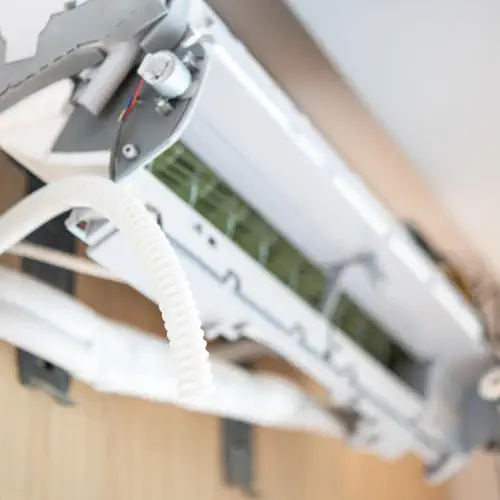
Diagram of correct indoor unit placement
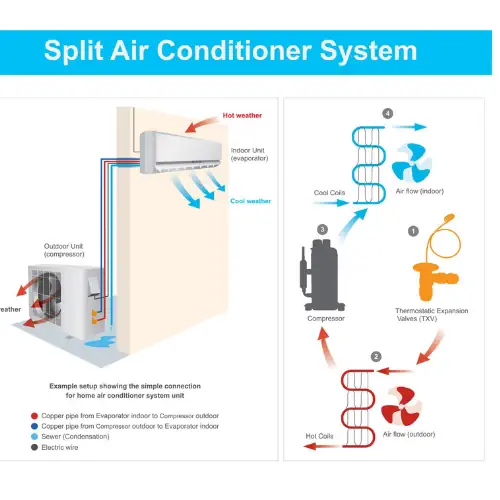

Installing the Outdoor Unit
Installing the outdoor unit in Varna has its own specifics because of the seaside climate and humidity.
Most common mounting locations:
- On an exterior wall
- On a balcony
- On the roof
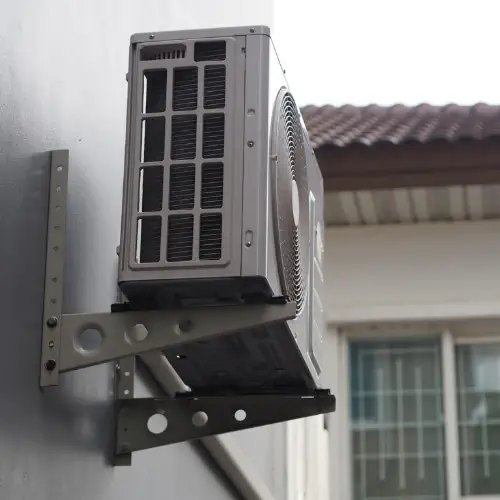
- On a dedicated bracket frame
The choice of location depends on the type of building, the requirements of the building’s owners’ association and safe access for servicing.
What Needs to Be Considered When Installing the Outdoor Unit?
- 💧 Condensate drainage
The drain must have the correct slope and discharge safely, without running down the facade or onto neighboring balconies. - 🔇 Noise level
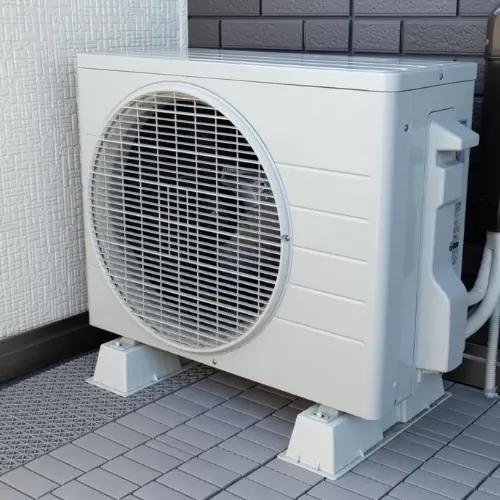
The unit must not disturb residents or neighbors, which is why anti-vibration pads are used. - 🔧 Service access
The unit must be mounted in a way that allows for future maintenance and repairs. - 🌊 Resistance to sea air and corrosion
In Varna, salty air speeds up corrosion. That’s why we recommend:- Anti-corrosion brackets
- Air conditioners with a protective coating on the heat exchanger
- Raised mounting where there’s a risk of sea spray
Diagram of correct indoor unit placement
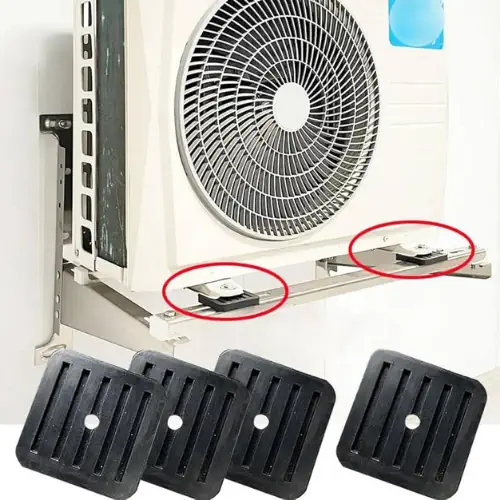
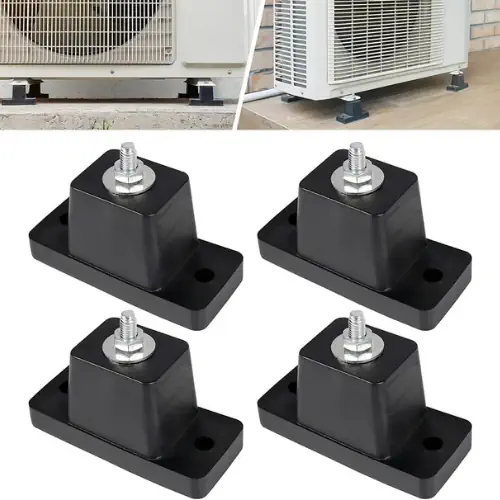
The Technical Stage of Installation
The technical stage is the core – and most critical – part of installing an air conditioner. This is where the system is actually installed, and it determines its efficiency, reliability and durability. Even a top-of-the-range air conditioner won’t work properly if it isn’t installed professionally.
When installing an air conditioner in Varna, we pay special attention to stability, airtightness and proper condensate drainage because of the specific local climate.
Step 1: Drilling the Wall Opening
The first technical operation is drilling a hole in the wall for the line set connecting the indoor and outdoor units.
Key requirements:
- The hole is drilled with a slight downward slope toward the outside (about 5–10 mm) to allow the condensate to drain naturally.
- The standard diameter is 55–65 mm, depending on the thickness of the line set.
- After drilling, a protective sleeve is fitted to protect the pipes from abrasion and mechanical damage.
- We use a professional diamond core bit to avoid cracking the facade.
- On buildings with external insulation, we take extra care not to compromise the insulation layer.
Step 2: Fitting the Mounting Plate
The mounting plate is the base the indoor unit is attached to.
The process includes:
- ✔ Precise leveling with a professional spirit level
- ✔ Fixing with heavy-duty anchorssuited to the wall type
- ✔ Checking stability and load-bearing capacity
Incorrect leveling can cause the condensate to drain improperly and lead to leaks.
Step 3: Running the Line Set
The line set connects the indoor and outdoor units. It must be made precisely and be fully airtight.
The line set includes:
- Copper pipes (refrigerant line) – carry the refrigerant through the system
- Drain hose – carries away the condensate
- Electrical cable – provides communication and power
- Thermal insulation – prevents heat loss and condensation
All connections are flared with a special tool to guarantee airtightness and prevent refrigerant leaks.
Standard Installation Length
A standard installation usually includes up to 3 meters of line set. For longer runs, you may need:
- Additional refrigerant
- A more careful slope calculation
- Additional support
Visual Guide to the Technical Process
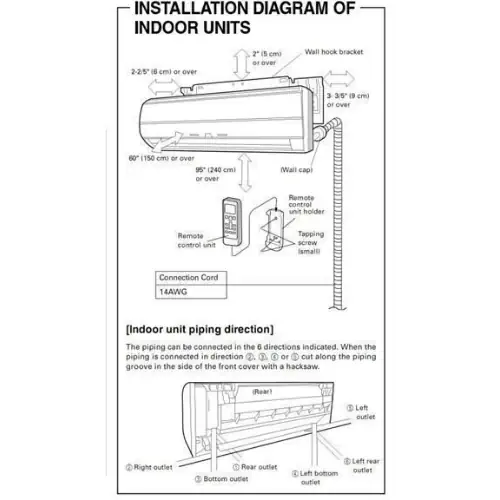

The technical stage of installation is critical for the system to work properly. A precisely made line set, the correct slope and secure mounting ensure your air conditioner runs trouble-free for years.
In the next section, we take a detailed look at vacuuming the system, commissioning and the final test run – stages that are often underestimated but are crucial to the efficiency, safety and durability of your air conditioner.
Step 4: Vacuuming the System
This is one of the most important – and most often underestimated – stages of installing an air conditioner. Vacuuming ensures the system will run efficiently and without risk of damage in the long term.
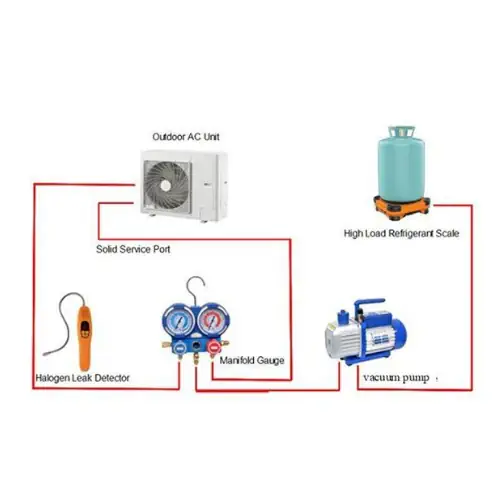
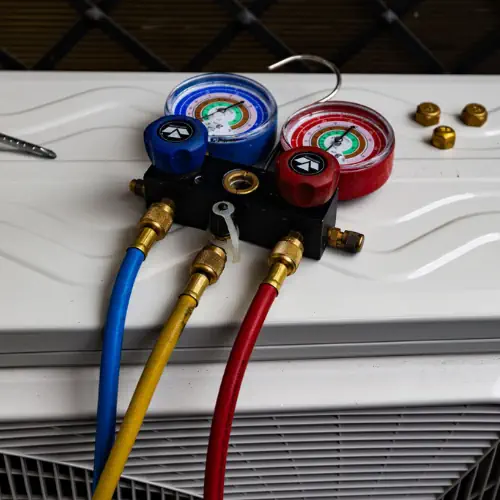
After connecting the copper pipes to the outdoor unit, we use a professional vacuum pumpthat creates negative pressure in the system.
The vacuum pump is used to:
- ✔ Remove air from the refrigerant line
- ✔ Remove moisture from the pipes
- ✔ Prevent ice from forming in the system
- ✔ Reduce the risk of corrosion
- ✔ Protect the compressor from damage
If moisture stays in the system, it can mix with the refrigerant and form acids that gradually damage the compressor – the most expensive component of an air conditioner.
Minimum vacuuming time
15–30 minutes, depending on the length of the line set.
Longer line sets may require more time.
Another Important Stage: Leak Testing
After vacuuming, the system is monitored to check whether the pressure holds steady. A drop means there’s a leak, which must be fixed before commissioning.
This check ensures:
- No refrigerant leaks
- Long-term efficiency
- Compliance with environmental regulations
One morning, as Gregor Samsa was waking up from anxious dreams, he discovered that in bed he had been changed into a monstrous verminous bug.
Step 5: Commissioning and Final Test
After successful vacuuming and leak testing, the system is put into operation. This isn’t just switching the unit on – it’s a detailed technical test that confirms the air conditioner works correctly.
We check:
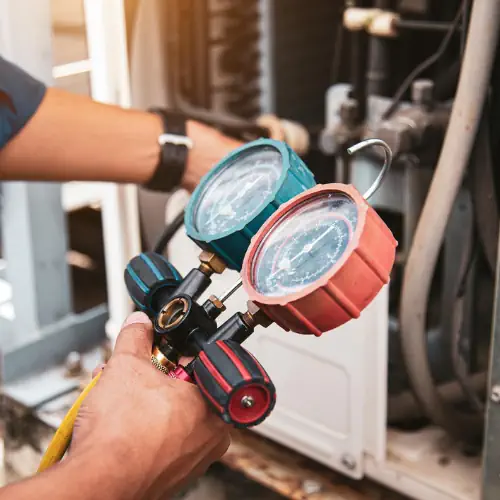
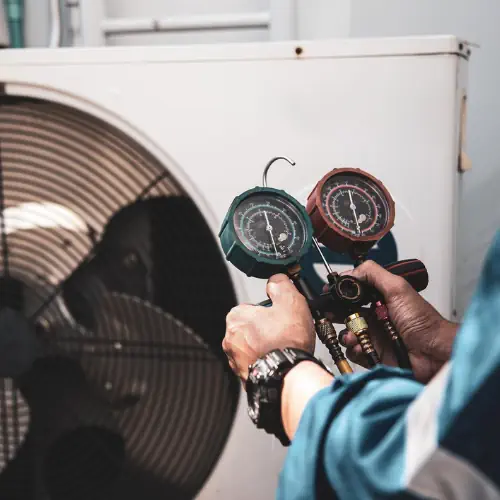
- 📊 Refrigerant pressure
Measured with gauges to make sure the values are within the normal range. - 🌡 Supply air temperature
The difference between return and supply air should be within the optimal range (usually 8–15°C in cooling mode). - 🔇 Noise and vibration levels
We check for any unusual sounds or resonance. - 💧 Proper condensate drainage
A drain test is carried out to prevent future leaks down the walls or facade.
Additional Final Checks
- ✔ Checking the electrical connections
- ✔ Setting up the remote control
- ✔ Demonstrating the operating modes
- ✔ Walking the customer through using the unit
Once the test run is successful, the installation is complete.
Carrying out these final stages properly ensures:
- ✔ Maximum energy efficiency
- ✔ Safe operation
- ✔ Long compressor life
- ✔ Minimal risk of future breakdowns
Visual Guide to Vacuuming and Testing
What’s Specific About Installing Air Conditioners in Varna
Varna has a distinctive microclimate that directly affects the performance and durability of air conditioning systems. For air conditioner installation in Varna , local climate factors must be taken into account to ensure the equipment stays efficient and reliable in the long run.
Key climate features:
- High humidity – speeds up wear on metal components and increases the risk of corrosion.
- Salty sea air – is aggressive toward outdoor units and heat exchangers.
- Strong winds – require sturdy mounting and quality brackets.
- Hot summers – mean the air conditioner runs for long periods under heavy load.
Because of these factors, a standard installation isn’t always enough – the approach has to be adapted to the building’s location, especially close to the seafront.
That’s why we recommend:
- ✔ Anti-corrosion brackets – resistant to rust and the elements.
- ✔ Air conditioners with an anti-corrosion coating on the heat exchanger and outdoor unit – check out our inverter air conditioners, suited to coastal conditions.
- ✔ Regular maintenance (1–2 times a year) – cleaning, pressure checks and a technical inspection.
- ✔ Proper condensate drainage – to avoid leaks down the facade and onto neighboring balconies.
- ✔ Secure mounting – designed to withstand strong coastal winds.
For buildings in central Varna, the requirements of the owners’ association must also be met, along with any architectural restrictions on facade mounting. To see the full range of services we offer, visit our page on professional air conditioner installation.
Taking these factors into account means a longer service life for your air conditioner and a lower risk of technical problems down the road.
Warranty, Maintenance and Professional Service
Once the installation is complete, you don’t just get a working air conditioner – you get full documentation and confidence in the quality of the work. Professional air conditioner installation in Varna covers both technical precision and properly completed warranty paperwork.
After installation, you receive:
- ✔ Warranty card – confirms the unit’s warranty period and the terms of service.
- ✔ Installation report – a document confirming that the installation meets the technical requirements.
- ✔ Operating instructions – detailed guidance on proper use, maintenance and safety.
- ✔ Consultation on the best operating modes for each season.
Regular maintenance (at least 1–2 times a year) is required to keep your warranty valid and ensure trouble-free operation. In Varna’s climate, this is especially important because of the humidity and salty air.
Why Is Professional Installation So Important?
A poor installation can lead to serious problems within the very first year of use.
An unprofessional installation can cause:
- ❌ Loss of warranty
- ❌ Higher power consumption
- ❌ Leaks from the indoor unit
- ❌ More noise and vibration
- ❌ Compressor failure (the most expensive component)
- ❌ Reduced heating efficiency in winter
Trying to save on a „cheaper installation“ often ends up costing more in the long run.
Benefits of Professional Air Conditioner Installation in Varna
- ✔ Maximum energy efficiency
- ✔ Long system service life
- ✔ Optimal performance in both summer and winter
- ✔ Lower monthly electricity costs
- ✔ Safety and reliability
- ✔ Peace of mind for the customer
Professional installation ensures your air conditioner performs to the manufacturer’s specifications and keeps your home comfortable through every season in Varna.
Conclusion
Installing an air conditioner in Varna involves careful assessment, technical precision and attention to local climate and building conditions. From choosing the right capacity and model to professional vacuuming and the final test run, every step is key to the efficient, long-term operation of the system.
A quality installation not only keeps you comfortable through hot summers and cold winter days – it also means lower electricity bills, quieter operation and a longer service life for your equipment.
If you’re looking for professional air conditioner installation in Varna, always choose certified technicians with experience, modern equipment and proven practices. It’s an investment in safety, efficiency and peace of mind for your home or business.