How to choose an air conditioner for your home or office – the complete guide
Choosing an air conditioner today isn’t just buying a cooling appliance. It’s a long-term investment in comfort, a healthy environment and energy efficiency. Modern air conditioners are used not only in summer but also as the main source of heating in winter. That’s why making the right choice is crucial.
The Bulgarian market offers dozens of brands and hundreds of models that differ in capacity, technology, price and purpose. In this guide we’ll look in detail at how to choose an air conditioner based on the room’s needs, your budget and how you’ll use it.
1. Why it’s important to choose the right air conditioner
A poorly chosen air conditioner can lead to a range of problems – high power bills, inefficient cooling or heating, frequent breakdowns and a short service life. Many buyers choose a unit on price alone, without considering the technical parameters, which ends up costing more in the long run.
The right air conditioner provides:
- a stable temperature all year round
- low power consumption
- quiet, comfortable operation
- clean, healthy air
2. Determining the required capacity
Capacity is one of the most important criteria when choosing an air conditioner. It’s measured in kilowatts (kW) or BTU. Too little capacity puts constant strain on the unit, while too much leads to inefficient operation and wasted energy.
On average, the following rough guide is used:
- up to 20 m² – about 2.0–2.5 kW
- 20–30 m² – about 2.5–3.5 kW
- 30–40 m² – about 3.5–5.0 kW
Besides the area, other factors must be taken into account: ceiling height, the room’s exposure, insulation, the number of windows and the number of people in the room.
3. Types of air conditioners – which one is right for you
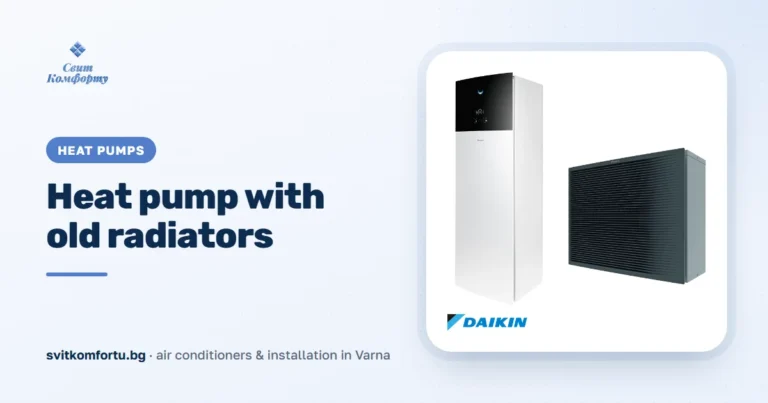
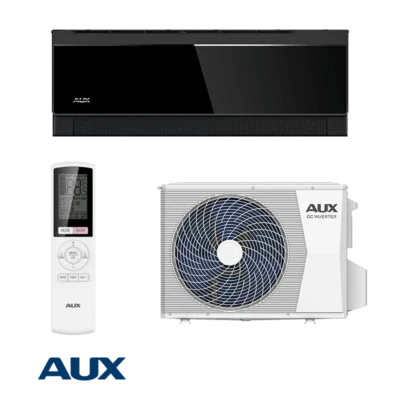
Split air conditioners
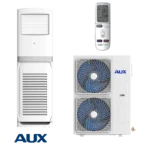
Split systems are the most common type of air conditioner. They consist of an indoor and an outdoor unit and are suitable for apartments, houses and offices. They offer good efficiency and relatively easy installation.
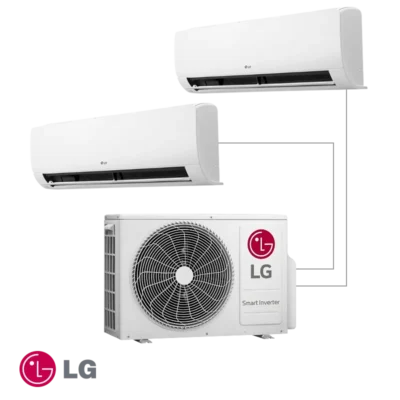
Multi-split systems
Multi-split systems let you connect several indoor units to one outdoor unit. This solution suits larger homes where installing several outdoor units isn’t desirable.
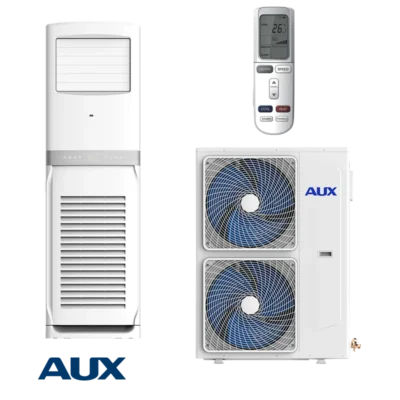
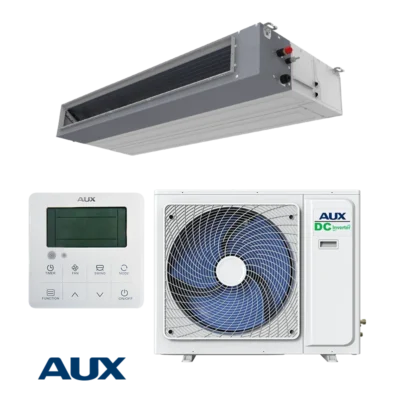
Ducted and cassette air conditioners
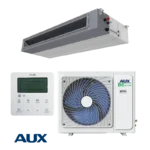
These systems are used mainly in offices, retail spaces and larger areas. They’re built into suspended ceilings and provide even air distribution.
4. Inverter or standard air conditioner
Inverter air conditioners are significantly more efficient than standard (on/off) models. They adjust their output to the room’s needs, which means lower consumption and a longer life.
Key advantages of inverter air conditioners:
- lower electricity bills
- quieter operation
- better heating in winter
- less wear on components
5. Energy efficiency and energy class
The energy class shows how economical an air conditioner is. Modern models are rated from A+ to A+++. The higher the class, the lower the power consumption.
For year-round use, it’s strongly recommended to choose an air conditioner rated A++ or A+++, especially if it will be used for heating.
6. Noise level – a key comfort factor
Noise level is especially important for bedrooms and kids’ rooms. Modern air conditioners offer exceptionally quiet operation, with some models reaching levels below 20 dB.
Always check the technical specifications, especially if the air conditioner will run at night.
7. Filtration and air quality
Many air conditioners come with additional filters that clean the air of dust, allergens, bacteria and unpleasant odors. This is important for people with allergies and for children.
Some models offer ionization, UV sterilization and self-cleaning functions, which improve indoor air quality.
8. Wi-Fi control and smart features
Modern air conditioners increasingly come with Wi-Fi control. This lets you control them from a smartphone or tablet, even when you’re not at home.
These features add convenience and help optimize energy costs.
9. The importance of professional installation
Even the best air conditioner won’t work efficiently if it isn’t installed correctly. Professional installation ensures optimal performance, a long service life and a valid warranty.
That’s why it’s advisable to trust an established air conditioner shop and specialists, who offer both quality units and professional installation and advice.
10. Common mistakes when choosing an air conditioner
- choosing on price alone
- miscalculating the capacity
- ignoring the energy class
- skipping professional installation
Conclusion
Choosing an air conditioner shouldn’t be rushed. It’s important to analyze the room’s needs, how it will be used and the long-term costs. A correctly chosen air conditioner provides comfort, savings and a healthy environment in every season.
With professional advice and quality products, you can make an investment that will serve you for many years.